 VedaCharts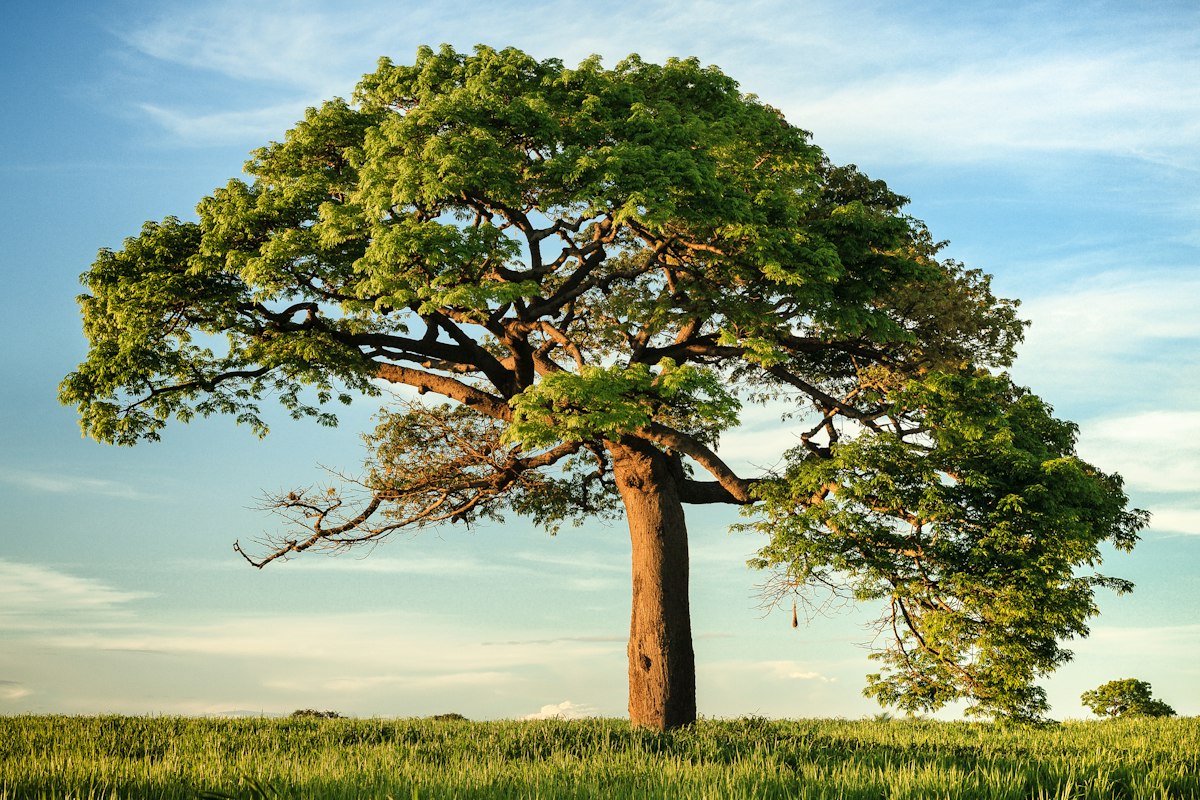
Nirriti is the goddess of dissolution. Her name comes from nir (without, away) + rti (order, dharma). The literal meaning is "departure from order", the principle in the cosmos that handles what does not belong, what has finished, what is being dissolved back into the substrate. She is the opposite-pole of Aditi (the boundless mother who holds): Aditi gathers, Nirriti releases.
She presides over Mula, the nineteenth nakshatra, whose name means "the root". The pairing of "the goddess of dissolution" with "the root" is exact. Mula is the lunar mansion where the work is to get to the root, sometimes by digging through what was built on top of it, sometimes by uprooting what was never going to flower.
The Goddess People Do Not Want to Meet
Nirriti is one of the deities the Vedic worldview treats with careful distance. Her direction is the southwest, the direction of decay, of death's threshold, of what is buried. Her offerings are made on the periphery of the ritual space, not the center. The hymns ask her to take what is hers and leave the rest of the household alone.
This is not because Nirriti is evil. She is structural. Without her, the cosmos would not have a way to handle what has finished. Old bodies would not return to earth. Old patterns would not dissolve. The cosmos would clog up with everything that ever existed. Nirriti's job is to keep that from happening.
For someone reading a chart, this means Mula-strong charts make for people who carry the dissolution function for the people around them. They are the ones who name the end of a friendship that no one else wanted to acknowledge. They are the ones who tell the family that the patriarch is dying. They are the ones who say "this project is over" when everyone else is still pretending it is still alive. The role is uncomfortable but necessary.
The Root
Mula's symbol is sometimes a tied bunch of roots, sometimes a lion's tail. Both images point at the same teaching: what is most fundamental is also most hidden. The root of a tree is what supports the visible canopy, but you cannot see it without digging. The root of a problem is what is causing the visible symptoms, but you cannot see it without inquiry that goes below the surface.
People with strong Mula placements (especially Moon in Mula) often carry an radical-truth instinct. They want to know what is actually going on. They are uncomfortable with surface-level explanations. They will dig through layers of polite cover to get to what is real, even when it costs them socially.
Mula in the Chart
Mula occupies the first 13°20' of Sagittarius, with Ketu as its planetary lord. The pairing of Ketu (lord) with Nirriti (deity) is carefully fitted. Ketu is the south lunar node, the planet of detachment, dissolution, and the residues from past chapters. Nirriti is the deity-form of that same dissolution principle. Together they produce one of the most directly uprooting signatures in the lunar mansion system.
On the dasa side, Moon in Mula opens life with a Ketu mahadasa of 7 years. The early years often feature a quality of unsettled depth: significant family disruption, early exposure to death or illness, a sense of having been somewhere else before, an unusual indifference to the small dramas other children invest in. The Mula-Ketu signature is already dissolving in childhood.
The Shadow
Classical texts are not romantic about Mula. They name the difficulties directly. The same root-seeking instinct that produces psychological depth can produce destabilising chapters where the person tears down what they have built and has to start again. Mula natives sometimes go through several rebuilds across a lifetime, career, relationship, identity. The point is that the rebuilds are not failures. They are dissolutions of what was not actually working.
The work for Mula natives is to participate in the dissolution intentionally rather than experiencing it as something happening to them. This means actively naming what is finished before the cosmos forces the naming. It means leaving relationships before they decay. It means closing chapters cleanly.
What Nirriti Surfaces in the Chart
Beyond Mula itself, Nirriti's archetype shows up wherever the chart points at necessary dissolution:
- A strong Ketu, especially in fire signs or angular houses, where the dissolving function is structurally active.
- The 8th house of transformations, inherited pressures, and what is broken open through deep contact with another.
- The 12th house of dissolution, ending, and the substrate beyond named selves.
- Saturn-Ketu contacts, classically the deep-grief-and-rebuild signature.
However the chart picks this up, the practice: do not flinch from endings. Nirriti-energy is most healthy when the person treats endings as a category of life rather than a category of failure. The thing that is dissolving was probably finished already.
The Practice of Letting Go
The Vedic tradition has specific rituals for engaging with Nirriti's territory. Most are protective, they involve offerings made at the southwestern corner of the property to keep the energy contained. For modern chart-readers, the more useful equivalent is the daily practice of release: writing down at the end of the day what is finished, what can be let go of, what no longer needs to be carried.
For Mula-Moon clients especially, this practice can be quietly transformative. It gives Nirriti her offerings on a regular schedule, so she does not have to take by force what was not given freely.
Final Note
Nirriti is the cosmic side of what handles dissolution. She is the goddess of the southwest, the keeper of necessary endings, the figure who takes what has finished and prevents the cosmos from clogging up. In a chart she shows up most directly through Mula but also through any strong Ketu, the 8th house, and the 12th.
If your Moon is in Mula, or your Ketu is loud, or your life has been marked by major rebuilds, this archetype is one of the structural signatures of your chart. What honours this archetype is to participate in dissolution intentionally, name endings cleanly, and trust that what survives the uprooting is the part of you that was always meant to be there. See your own placements on the free Chart Explorer.